
Insulation Contractor in Lakewood, CA for Cooler Summers and Lower SCE Bills
Most Lakewood homes were built between 1950 and 1953, and plenty of them still have the thin rock wool or early fiberglass the original crews laid down. Seventy years later it's settled, patchy and nowhere near today's Title 24 levels. When a September Santa Ana pushes temperatures past 95°F, the attic under your asphalt shingles can climb above 140°F. That heat comes straight through the ceiling, and your AC runs into SCE's peak time-of-use hours. True Savings Insulation fixes that. We bring your attic, walls and ducts up to modern standards, with honest pricing and careful work.
We know Lakewood's tract homes well: the low-pitched roofs, the cramped attics you have to crawl through, the garage conversions and back-room additions that tie into the original roof at odd angles. Whether you're near Mayfair, Lakewood Gardens or the Bolivar Park area, we've seen the same problems: roof-rat nests in old insulation, leaky ducts running through a hot attic, and bedrooms that never cool down. We'll explain what we find in plain language and help you plan a project that fits your home and your budget.
- ✓Bonded and insured
- ✓Free, no-pressure quotes
- ✓Financing available
- ✓Serving Lakewood within a 20-mile radius
- ✓Honest, upfront pricing
- ✓Title 24–focused insulation levels
Request Your Free Estimate
No obligation. Fast, honest quotes.
Thank you — your request was sent!
A member of the True Savings Insulation team will reach out shortly. Need help now? Call (562) 662-8314.
Why Lakewood Homes Need Better Insulation
Lakewood's weather is mild most of the year, but its housing stock isn't built for the heat waves we now get every fall. The combination of 1950s construction, shallow attics and SCE time-of-use rates makes insulation one of the most cost-effective upgrades a Lakewood homeowner can make.
Coastal-Plain Climate With Inland Heat Spikes
Lakewood sits 6–8 miles inland from the Long Beach waterfront, far enough that the ocean breeze doesn't always reach it. Summer highs usually land in the low-to-mid 80s°F, but heat waves of 95–100°F are getting more common, especially in September and October when Santa Ana winds shut off the marine air. On those days, attics under dark asphalt shingles can pass 140°F. Thin insulation lets that heat soak into ceilings, and hallways and bedrooms stay warm long after sunset. Winter lows in the low-to-mid 40s°F make underinsulated homes feel drafty, so furnaces run more than you'd expect. Most of the area's 12–13 inches of rain falls from November through March, which is when roof leaks soak and mat attic insulation. May Gray humidity can also leave moisture in poorly vented attics.
A Postwar Tract-Home Built Environment
Between about 1950 and 1953, developers Boyar, Taper and Weingart built roughly 17,500 homes here, sometimes finishing dozens in a single day. Most are single-story wood-frame ranch or minimal-traditional houses of about 1,000–1,300 sq ft with low-pitched gable or hip roofs. That means shallow attics that are tough to work in. Original ceiling insulation was minimal and has been compressed by decades of electricians, cable installers and HVAC crews. Exterior walls in original homes usually have no insulation at all. Central AC ducts were often added later and run through the hot attic. Many homes have additions or converted garages whose roof lines meet the original house with uneven or missing insulation. Roof rats, blocked eave vents and unsealed openings around fixtures and top plates show up in attic after attic.
Title 24, Permits and Safe Material Handling
Insulation work in Lakewood has to meet California Title 24, Part 6. When attic insulation is added or replaced, many Southern California climate zones call for R-38 to R-49 in vented attics, depending on the code cycle and scope. Air sealing may also be required, so we confirm the exact requirement for your ZIP code and the current code cycle. Duct replacement or HVAC changeouts usually trigger duct leakage testing and third-party HERS verification. Permits and inspections go through the City of Lakewood's building and safety counter at the Civic Center. Older homes may contain vermiculite or asbestos-containing duct wrap, which has to be tested before removal. Any removal must follow Cal/OSHA and South Coast AQMD Rule 1403. Most single-family streets have no HOA, but condo and townhome associations may require approval first.
Who's Upgrading and Why
Lakewood's roughly 80,000 residents include long-time owners, many of them descendants of the city's original aerospace and manufacturing families, along with young families buying their first home. Longtime owners on fixed incomes want lower bills and steadier comfort. New buyers are renovating dated houses, adding AC or heat pumps, and dealing with SCE time-of-use rates for the first time. Both groups do their research, ask neighbors and want straight answers about cost, code and rebates. Freeway traffic on the 605, 91 and 405 and pollution from the port corridor also make air sealing a real indoor-air-quality benefit.
Common Insulation Problems in Lakewood Homes
These are the problems we find most often when we climb into Lakewood attics. Most of them trace back to how fast these homes were built in the early 1950s and to 70 years of settling, remodeling and roof rats. Here's what each problem looks like and why it happens here.
Rodent-Contaminated Attic Insulation Serious
Roof rats tunnel through, nest in and leave droppings and urine in attic insulation. Once that happens, the insulation loses much of its R-value and becomes a health concern. Contaminated material can't simply be covered over. It has to be removed, the attic cleaned and entry points sealed.
Why it's common hereRoof rats are widespread across Lakewood and the surrounding Gateway Cities. Mature trees, citrus and backyard fruit give them food, and older homes give them easy ways in through gaps at eaves, roof vents, plumbing stacks and the joints where additions meet the original roof. Once inside, the loose, aging insulation in a shallow 1950s attic is perfect nesting material. Because these attics are cramped and rarely checked, an infestation can go on for months before anyone notices. By then the damage usually covers much of the attic.
Signs you'll notice- Scratching or scurrying noises overhead at night
- Droppings visible near the attic hatch
- Tunnels or flattened trails through insulation
- Musty or ammonia-like odor in hallways
- Chewed wiring or duct jackets
- Gnawed vent screens or eave gaps
We see this often in homes near the parks with mature trees, like the Rynerson Park, Del Valle Park and Monte Verde Park areas. It's also common in homes with fruit trees or overgrown backyard landscaping that touches the roof.
Our fix: Full insulation removal using commercial vacuums, attic cleanup and sanitizing, sealing of rodent entry points, then fresh insulation installed to current Title 24 R-values.
Settled, Undersized 1950s Ceiling Insulation Moderate
The original rock wool or early fiberglass in many Lakewood homes has compressed to just a few inches or less, often around R-11 or lower. It's far below the R-38 to R-49 that Title 24 calls for in many Southern California attics when insulation is added.
Why it's common hereLakewood's builders put up tens of thousands of homes in about three years, and insulation wasn't a priority. Whatever went in was thin to begin with. Over seven decades, gravity, dust and foot traffic from every electrician, cable installer and HVAC crew have packed it down further and left bare spots. Because nearly the whole city was built in the same era, this is the most common finding we see. Then the fall Santa Ana heat waves come and push attic temperatures past 140°F.
Signs you'll notice- Ceiling joists clearly visible above the insulation
- Insulation depth under 4 inches
- Ceilings warm to the touch on hot afternoons
- AC runs nonstop into the evening
- High SCE bills during peak hours
- Drafty, cool rooms in winter
This is nearly universal in original tract homes in Lakewood Park, Lakewood Gardens and the Mayfair area. It's especially noticeable in homes that still have the original roof or have never had an attic upgrade.
Our fix: Air sealing of top plates and penetrations, then blown-in fiberglass or cellulose added over sound existing material to reach the required R-value evenly.
Hot or Cold Additions and Converted Garages Moderate
Rooms that were added on, enclosed patios and converted garages often run 5–10 degrees hotter or colder than the rest of the house. Their insulation is usually inconsistent, compressed against low roof lines or missing where the new roof ties into the original.
Why it's common hereLakewood families have been expanding their 1,000–1,300 sq ft homes for decades. Many additions were built in different eras by different crews, and the insulation often stopped at awkward transitions where the new roof meets the old one. Low-slope addition roofs leave little or no attic space, so batts get crushed or left out. Garage conversions sometimes have uninsulated walls or ceilings left over from when the space was just a garage.
Signs you'll notice- One room is much hotter than the rest of the house
- Bedroom AC vent can't keep up
- Cold floors or walls in winter
- Visible gaps where the addition meets the main attic
- Condensation or drafts at the junction wall
This is common in remodeled homes around the Lakewood Center area, the Bolivar Park area and the Palms Park area. Second-generation owners there have added family rooms and primary suites to the original floor plans.
Our fix: Closed-cell or open-cell spray foam in tight roof cavities, plus air sealing and blown-in insulation at the transitions to tie the addition into the main thermal envelope.
Leaky, Poorly Insulated Attic Ductwork Serious
Ducts for central AC run through the attic, and older flex or metal ducts often have torn jackets, loose joints and thin insulation. Cooled air leaks into a 140°F attic before it ever reaches your rooms.
Why it's common hereMost Lakewood homes didn't have central air when they were built. Ducts were added years later and routed through the cramped attic, often by crews working around tight framing. Decades of heat cycling, UV exposure near vents, rodents chewing the jackets, and earthquake shaking that pulls joints apart have left many systems leaking a meaningful share of their airflow. On SCE time-of-use rates, that wasted cooling gets expensive fast.
Signs you'll notice- Weak airflow from some registers
- Dusty rooms despite regular cleaning
- Disconnected or sagging duct runs in the attic
- Torn or flattened duct jackets
- Rooms farthest from the unit stay hot
We see this a lot in homes near the Carson Park and San Martin Park areas that added AC in the 1980s–2000s, and in homes that have been through several HVAC changeouts without duct work.
Our fix: Inspect and seal accessible joints and wrap or re-insulate exposed runs. Where duct replacement triggers Title 24 leakage testing, we coordinate the HERS verification process.
Water-Damaged, Matted Insulation From Roof Leaks Moderate
When a roof leaks, insulation absorbs the water, collapses and loses most of its R-value. Wet material can stain ceilings, hold moisture against wood framing and grow mildew, especially in attics with poor ventilation.
Why it's common hereLakewood gets most of its 12–13 inches of rain between November and March, so leaks tend to show up all at once after the first big storms. Long dry, sunny stretches and strong UV wear down shingles, flashing and attic vents, so aging roofs fail at penetrations and valleys. May Gray humidity can add moisture to attics with blocked eave vents. Leaks can go unnoticed for a while because many homeowners rarely go into these shallow attics.
Signs you'll notice- Brown water stains on ceilings
- Clumped, flattened insulation near stains
- Musty smell after rain
- Darkened roof sheathing or rafters
- Peeling ceiling paint
Leak damage shows up most in late winter and early spring, especially on older roofs in the Biscailuz Park and Boyar Park areas and on low-slope additions throughout the city.
Our fix: Once the roof is repaired, we remove the damaged insulation, check that the area is dry, improve ventilation where needed and install new insulation to current standards.
Suspected Vermiculite or Asbestos-Containing Materials Emergency
Some older homes contain loose-fill vermiculite or asbestos-containing duct wrap and tape. When disturbed, these materials can release hazardous fibers. They have to be identified and tested before anyone removes or works around them.
Why it's common hereLakewood's housing was built at a time when asbestos-containing materials were still widely used. Later duct installations and attic retrofits sometimes added vermiculite or asbestos tape too. Because so many homes are around 70 years old, there's a real chance an attic contains suspect material. California law, including South Coast AQMD Rule 1403 and Cal/OSHA rules, controls how these materials are tested and removed. Skipping that step creates health risks and legal liability.
Signs you'll notice- Gray-brown, pebble-like loose fill in the attic
- Pale white or gray wrap on old metal ducts
- Brittle, chalky duct tape or joint wrap
- Unknown materials around old heater flues
- Original, never-disturbed attic in an early-1950s home
This is more likely in original, unremodeled homes throughout Lakewood Park and Mayfair, and in the older 1930s–40s homes in adjacent Lakewood Village.
Our fix: We stop work, avoid disturbing the material and recommend testing. Any removal is handled by properly certified professionals under Rule 1403 before insulation work goes ahead.
Uninsulated Exterior Walls and Air Leaks Minor
Original Lakewood walls usually have empty stud cavities. Add gaps at top plates, outlets and old windows, and the house loses cool air in summer, lets drafts in during winter and lets outdoor pollution find its way inside.
Why it's common hereWall insulation wasn't standard in early-1950s tract construction, and most owners have never opened their stucco or siding to add it. Lakewood's mild climate hid the problem for years. Today's hotter fall heat waves, colder clear winter nights and higher energy prices make it much more noticeable. Homes near the 605, 91 and 405 freeways also pick up traffic pollution and wildfire smoke through the same leaks.
Signs you'll notice- Exterior walls feel warm or cold to the touch
- Drafts at outlets and switch plates
- Dust lines on carpet near baseboards
- Rooms that never feel comfortable
- Smoke or exhaust odors indoors on bad air days
This is common across original homes everywhere in Lakewood, and especially noticeable for homes close to the freeway corridors and in the Lakewood Country Club area's older sections.
Our fix: Drill-and-fill blown-in wall insulation through small, patched openings, combined with attic air sealing at top plates and penetrations.
Insulation Services for Lakewood Homes
Every service we offer is set up for the way Lakewood homes were actually built: low roofs, tight attics, decades of additions and aging ducts. We'll recommend only what your home needs, explain the options in plain language and price everything upfront so there are no surprises.
Attic Insulation ⭐ Specialty
We assess your attic's current depth, coverage and condition, then air seal and add insulation to reach the R-value Title 24 calls for in your climate zone and code cycle, usually R-38 to R-49 for vented attics.
Our approachWe measure the existing depth and seal the top plates, light fixtures and plumbing penetrations. Then we install baffles to keep eave vents clear and blow insulation to a consistent depth, with depth markers so the coverage can be verified.
In Lakewood, CAShallow, low-pitched Lakewood attics are hard to work in, and corners near the eaves usually end up underfilled. We work carefully into those tight edges, where the Santa Ana heat hits hardest, and make sure the hatch is insulated and weatherstripped.
Best for: Original tract homes with thin 1950s insulation, homeowners fighting high summer SCE bills, and anyone whose ceilings feel warm on hot afternoons.
Spray Foam Insulation ⭐ Specialty
We apply open-cell or closed-cell spray foam that insulates and air seals in one step. It's ideal for tight cavities, odd roof lines and spaces where batts or loose fill can't reach full depth.
Our approachWe choose the foam type based on the space. Closed-cell gives more R-value per inch in shallow cavities. Open-cell is a cost-effective air seal for larger areas. We protect the surrounding surfaces and ventilate during application.
In Lakewood, CAIn Lakewood, spray foam solves the hardest spots: low-slope room additions, converted garages, cathedral ceilings and the awkward joints where an addition's roof meets the original house. Those are usually the hottest rooms in the home.
Best for: Additions, garage conversions, bonus rooms and low-slope roofs where conventional insulation can't reach the required depth.
Blown-In Insulation
We install loose-fill fiberglass or cellulose by machine. It fills around joists, wiring and obstructions with fewer gaps than batts, either to top up an attic or to fill empty wall cavities.
Our approachIn attics, we blow to a measured depth for a target R-value. In walls, we use a drill-and-fill method through small openings that are patched and sealed afterward, with dense packing to prevent settling.
In Lakewood, CAMost original Lakewood homes have no wall insulation, so drill-and-fill is a practical upgrade that doesn't mean tearing off stucco. Blown-in material also works well in crowded attics with wiring and ductwork.
Best for: Homes with empty exterior walls, attics needing a top-up and budget-conscious owners wanting the most improvement per dollar.
Insulation Removal
We remove old, contaminated or damaged insulation with high-powered vacuum equipment, bag it for disposal and leave the attic clean and ready for air sealing and new material.
Our approachWe protect the living spaces, set up the vacuum line from outside, and remove the material along with debris and droppings. Then we clean and sanitize the attic surfaces. Suspect vermiculite or asbestos is tested before anything is disturbed.
In Lakewood, CARoof-rat contamination is the most common reason Lakewood homeowners need removal. Water damage from winter leaks is second. We also seal the rodent entry points we find so the new insulation stays clean.
Best for: Rodent-contaminated attics, water-damaged or moldy insulation and homes getting ready for a full attic overhaul or a re-roof.
Insulation Replacement
This is our complete attic reset: remove the old material, clean and air seal, address ventilation and duct issues, and install new insulation to current Title 24 levels.
Our approachWe combine removal, sanitizing, entry-point sealing, air sealing, baffle installation and fresh blown-in or batt insulation in one coordinated project, so the work is done once and done right.
In Lakewood, CAFor Lakewood homes with rodent damage, 70-year-old rock wool or post-leak matting, a full replacement often costs less over time than piecemeal fixes. It also resolves issues flagged on home inspections before a sale.
Best for: Sellers addressing inspection reports, new buyers renovating dated homes and long-time owners ready to fix the attic once and for all.
Insulation Installation
We install new insulation in attics, walls, floors and new construction, including batts, blown-in material and spray foam, selected for your home's framing, access and performance goals.
Our approachWe match the material to the space, install to manufacturer specifications without compression or gaps, and pay attention to air sealing, clearances around fixtures and flues, and ventilation.
In Lakewood, CAFor Lakewood remodels, ADUs and second-story additions, we help make sure the new spaces meet Title 24 and blend with the original house so you don't end up with one hot room.
Best for: Remodels, additions, ADUs, garage conversions and any project where walls or ceilings are open and insulation can be done properly.
Crawl Space Insulation
For homes with raised floors, we insulate the underside of the floor to stop cold floors and drafts, and we help manage moisture in the crawl space.
Our approachWe inspect for moisture, pests and debris, then install insulation between the floor joists with proper supports. We also seal gaps around plumbing and duct penetrations into the living space.
In Lakewood, CASome Lakewood homes, older Lakewood Village houses and certain additions sit over crawl spaces. Cold floors on clear 40°F winter nights are the giveaway. Insulating underneath makes those rooms noticeably more comfortable.
Best for: Raised-floor homes and additions with cold floors, drafty rooms or ducts running through the crawl space.
Our Insulation Process, Start to Finish
We keep things simple. You'll know what we found, what we recommend, what it costs and when we'll be there. Here's how a typical Lakewood project goes.
Free In-Home Inspection
- We measure insulation depth and coverage throughout the attic
- We check for rodent activity, leak stains and ventilation problems
- We look at duct condition and air-leak points
- We flag any suspect vermiculite or asbestos materials
- We share photos so you can see what we saw
Local note: Shallow Lakewood attics often hide problems at the eaves and addition joints, so we check those areas specifically.
Clear Recommendations and Written Quote
- We explain your options with good, better and best choices where they make sense
- We give you an itemized price with no hidden fees
- We note what's needed to meet Title 24 for your scope of work
- We review financing options if you want them
- We point out incentive programs that may be available
Local note: SCE, SoCalGas and statewide programs change often, so we help you check what's currently available rather than promising specific amounts.
Scheduling, Permits and Prep
- We confirm the R-value requirement for your ZIP code and the current code cycle
- We coordinate permits with the City of Lakewood when required
- We arrange testing first if suspect materials were found
- We get HOA approval for condos and townhomes when needed
Local note: Duct work may require HERS verification, so we plan for that timing up front.
Installation Day
- We protect floors, furniture and the attic access path
- We remove old material and clean up when that's part of the scope
- We air seal the top plates and penetrations and install baffles
- We install insulation to a measured, even depth
- We seal rodent entry points when included
Local note: We try to schedule attic work for cooler morning hours during heat waves for crew safety and quality.
Final Walkthrough and Cleanup
- We show you before-and-after photos
- We verify depth markers and coverage
- We clean up thoroughly and haul away debris
- We coordinate the final inspection and any required paperwork
Local note: Your documentation can help with future home sales, inspection reports and rebate applications.
Why Lakewood Homeowners Choose True Savings Insulation
We Know Lakewood's 1950s Tract Homes
Lakewood's housing was built fast and built alike, which means the same problems show up house after house: low-pitched roofs, attics you can barely kneel in, thin rock wool, ducts added decades later and additions that don't match the original roof. We plan around those realities instead of using a one-size-fits-all approach. We know where to look for gaps at the eaves, how to reach tight corners and how to tie a back-room addition into the main attic so the whole house stays comfortable during a Santa Ana heat wave.
Bonded and Insured for Your Protection
You're letting a crew into your home and your attic, so protection matters. True Savings Insulation is bonded and insured, so you're covered if something unexpected happens on the job. We also suggest every homeowner check any contractor's credentials before hiring, and we're glad to provide our documentation when you ask. It's part of keeping the process transparent. Lakewood residents do their homework, and we respect that.
Insulation Is Our Focus
We don't treat insulation as a side job tacked onto roofing or painting. Attic insulation, spray foam, blown-in walls, removal and replacement are what we do every day. That focus shows in the details: baffles that keep eave vents clear, sealed top plates, even depth all the way to the edges, and hatches that are insulated and weatherstripped. Those details are what actually bring down your SCE bill, and they're the steps rushed jobs tend to skip.
Honest, Upfront Pricing
You'll get an itemized written quote before any work starts, with clear options and no hidden add-ons. If your attic only needs a top-up, we'll tell you that instead of selling a full replacement. If a full removal really is the better value, because of rats, water damage or seventy-year-old material, we'll show you photos and explain why. Value-conscious homeowners on fixed incomes and young families watching their budgets both deserve straight numbers.
Financing That Fits Your Budget
An insulation upgrade shouldn't have to wait until the next heat wave makes the house unbearable. We offer financing options so you can complete the work now and spread out the cost. Many homeowners find that lower monthly cooling bills offset a meaningful part of the payment, especially on SCE time-of-use plans. We'll walk you through the options during your quote, with no pressure to commit.
Help With Code, Permits and Rebates
Title 24 R-values, duct leakage testing, HERS verification, Rule 1403 for suspect materials, city permits at the Civic Center: it's a lot to sort out. We explain what applies to your project, coordinate the required steps and help you look into SCE, SoCalGas and statewide incentive programs that may be available. That's especially helpful for long-time residents and second-generation owners renovating a family home.
Respect for Your Home
We treat your home like it's our own. We protect floors and furnishings, keep the work area clean, communicate clearly about scheduling and leave the place tidy at the end of each day. From the first visit to the final walkthrough, our goal is a simple, stress-free experience, the kind you'd want to recommend in your neighborhood group.
Trusted by Lakewood Homeowners
Lakewood homeowners pick us for straight answers, fair prices and careful work in some of the tightest attics around. We'd love to earn your trust, and your referral to the neighbors.
Bonded • Insured • Financing Available
Insulation Service Throughout Lakewood
We work in every corner of Lakewood, from the original tract neighborhoods to the remodeled homes near the parks and the older houses just across the line in Lakewood Village. Wherever you are, you'll get the same careful inspection and honest quote.
North and Central Lakewood
South and West Lakewood
East Lakewood
Based in Lakewood, we serve homeowners within a 20-mile radius. Not sure if you're covered? Reach out through our contact page and we'll confirm. Not sure if we cover your area? Call (562) 662-8314.
How Much Does Insulation Cost in Lakewood?
Most Lakewood homes are similar in size and age, so pricing is fairly predictable. The biggest variables are what's already in your attic and how much prep work it needs. Here's what affects the price and what typical projects cost.
Condition of Existing Insulation Primary Factor
If your old insulation is dry and clean, we can usually air seal and blow new material right over it, which is the most affordable route. If it's contaminated by roof rats, matted from a leak or too deteriorated to keep, it has to be removed, the attic cleaned, and then new insulation installed. Removal and sanitizing can roughly double the cost of a simple top-up, so the condition we find is the single biggest variable.
Square Footage and Target R-Value Primary Factor
Cost scales with attic area and how deep the insulation needs to go. A typical 1,000–1,300 sq ft Lakewood attic going from about R-11 to R-38 or R-49 takes much more material than a light top-up. Title 24 sets the minimum for your climate zone and scope. Going to the higher end adds some cost but brings more savings during long Santa Ana heat waves.
Material Type Secondary Factor
Blown-in fiberglass and cellulose are the most cost-effective choices for open attics. Spray foam costs more per square foot but insulates and air seals at the same time, and it's often the only way to reach full R-value in low-slope additions or garage conversions. Closed-cell foam costs more than open-cell but delivers more R-value per inch in shallow cavities.
Access and Attic Complexity Secondary Factor
Lakewood's low-pitched roofs make for cramped attics, and multiple additions mean extra roof lines, hidden sections and tight eaves. Small hatches, crowded ductwork and areas we can only reach by crawling add labor time. Homes with second-story additions or several separate attic spaces usually cost more than a simple, single-story original layout.
Add-On Work and Requirements Variable Factor
Air sealing, baffle installation, rodent entry-point sealing, duct sealing or re-wrapping, permits and HERS verification can all affect the total. If suspect vermiculite or asbestos turns up, testing and any licensed abatement are separate costs. We list each item in your quote so you can see exactly where the money goes.
| Typical project | Details | Estimated range |
|---|---|---|
| Attic Top-Up With Air Sealing | Approximately 1,100 sq ft original Lakewood Park tract home, clean existing insulation, blown-in fiberglass to approximately R-38, air sealing and baffles | $2,000 – $3,800 |
| Rodent-Contaminated Attic Replacement | Approximately 1,200 sq ft home near Rynerson Park, full vacuum removal, sanitizing, entry-point sealing, air sealing and new blown-in insulation to Title 24 levels | $4,500 – $8,000 |
| Spray Foam for Garage Conversion or Addition | Approximately 300–450 sq ft low-slope roof and walls, closed-cell or open-cell foam depending on cavity depth | $3,000 – $7,500 |
| Blown-In Exterior Wall Insulation | Approximately 1,200 sq ft single-story home, drill-and-fill through stucco or siding with patching | $2,800 – $6,000 |
Financing is available, so you can upgrade before the next heat wave and spread the cost into manageable payments. Ask about options during your free quote. Attic insulation is one of the most cost-effective upgrades for a Lakewood home. It reduces AC run time during expensive SCE peak hours, evens out room temperatures, and helps with home inspections when you sell. Ask us about any incentive programs that may currently be available.
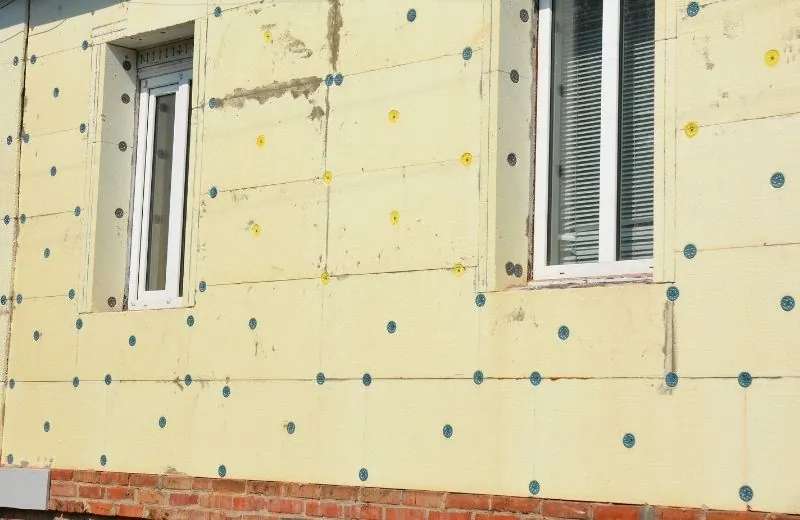
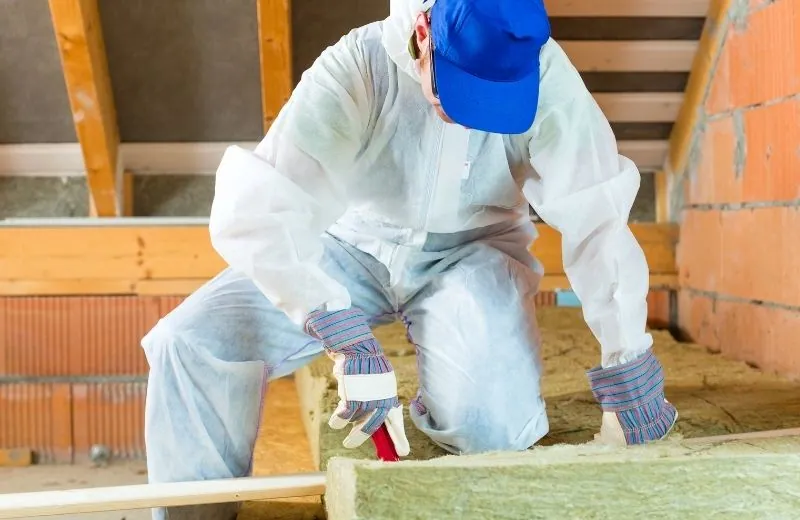
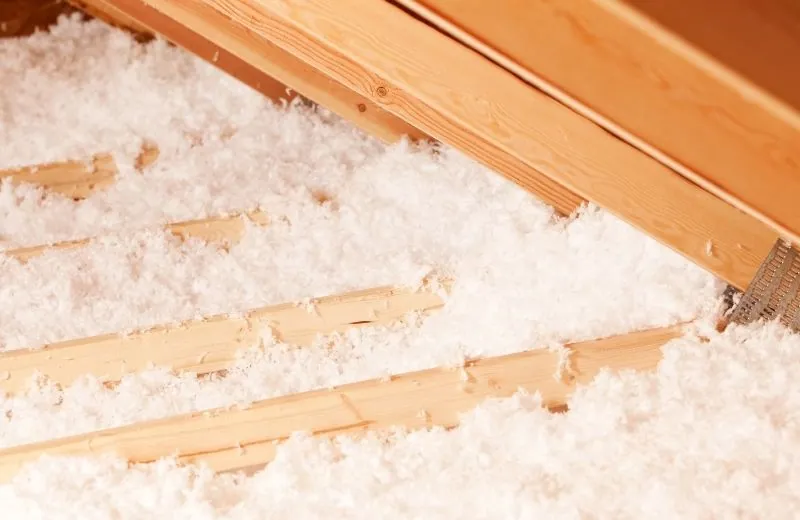
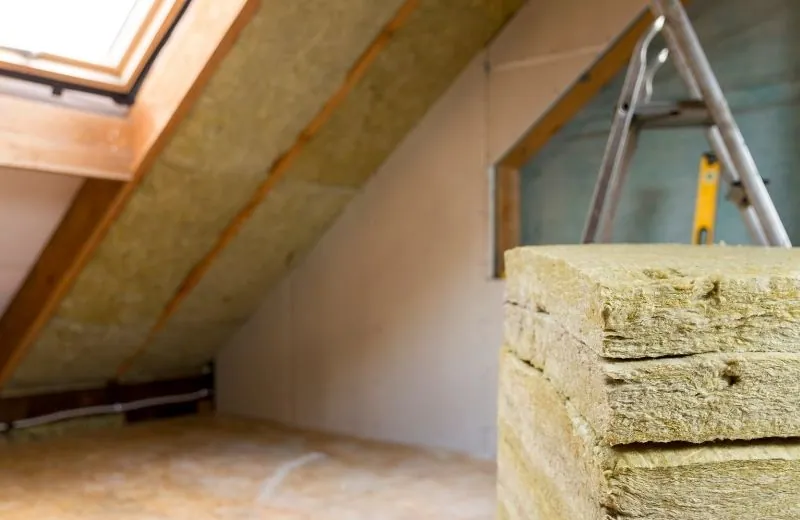
Recent insulation Projects in Lakewood, CA
Lakewood Insulation FAQs
How much does attic insulation cost for a typical Lakewood home?
For a typical 1,000–1,300 sq ft Lakewood home, adding blown-in insulation over clean existing material with air sealing usually runs about $2,000–$3,800. If the old insulation has to come out because of roof rats or water damage, a full removal and replacement typically falls between $4,500 and $8,000. Spray foam for additions and wall insulation are priced separately. The final number depends on your attic's condition, the R-value you need, access and add-ons like duct sealing. We give you a free, itemized quote after inspecting your attic, so you'll know the real cost before deciding anything.
How long does an insulation project take?
Most attic top-ups in Lakewood are done in a single day. Full removal and replacement projects, especially ones with rodent cleanup and entry-point sealing, usually take two to three days. Spray foam in an addition is often one to two days, and drill-and-fill wall insulation for a typical single-story home is usually one to two days. If permits, HERS verification or testing of suspect materials are needed, those can add some scheduling time up front. We'll give you a clear timeline in your quote and keep you updated throughout.
Do I need a permit for insulation work in Lakewood?
It depends on the scope. Adding or replacing attic insulation as part of an alteration, changing ducts or replacing HVAC equipment can bring in Title 24 requirements, permits through the City of Lakewood's building and safety counter, and in some cases third-party HERS verification. Title 24 sets minimum R-values, often R-38 to R-49 in vented Southern California attics, depending on climate zone and code cycle. We confirm the requirements for your ZIP code and scope, then coordinate whatever's needed. Condo and townhome owners may also need HOA approval before work starts.
What R-value should my Lakewood attic have?
For many Southern California climate zones, Title 24 calls for about R-38 to R-49 in vented attics when insulation is added or replaced. The exact number depends on the current code cycle, your climate zone and the scope of work. Most original Lakewood homes have about R-11 or less after 70 years of settling, so the gap is usually large. Going to the higher end makes a noticeable difference during September and October heat waves, when attics under dark shingles can pass 140°F.
How can I tell if I need new insulation right now?
Act soon if you notice rodent noises or droppings, water stains on ceilings, musty odors, or insulation you can see the joists through. Contaminated or wet insulation doesn't improve with time. It gets worse and can affect your indoor air. Other signs include ceilings that feel warm on hot afternoons, AC that runs into the evening, rooms much hotter than the rest of the house, and rising SCE bills. Late spring is an ideal time to upgrade before the summer and Santa Ana heat, but any time of year works in Lakewood's mild climate.
How do I keep my new insulation from getting damaged again?
Prevention starts during installation. We seal rodent entry points at the eaves, vents and roof penetrations so roof rats can't get back in. Trim tree branches that touch the roof and keep fruit picked up. Check your attic after the first big winter storms for leak stains, and fix roof problems quickly. Keep eave vents clear. The baffles we install help with that. Finally, ask any electrician, cable or HVAC crew to avoid crushing the insulation, and to restore it if they disturb it.
Is spray foam or blown-in insulation better for my home?
Both have their place. Blown-in fiberglass or cellulose is the most cost-effective choice for open attics, which is most of the main attic space in Lakewood homes. Spray foam costs more but insulates and air seals in one step, and it's often the only way to reach good R-values in low-slope additions, converted garages and cathedral ceilings where there isn't room for loose fill. Many Lakewood projects use both: blown-in for the main attic and spray foam for the tricky addition. We'll recommend the mix that gives you the best value.
What happens if you find asbestos or vermiculite in my attic?
We stop and don't disturb it. Some older Lakewood homes have vermiculite loose fill or asbestos-containing duct wrap or tape, and California requires testing before these materials are removed. If testing confirms asbestos, removal has to be handled by properly certified professionals following Cal/OSHA and South Coast AQMD Rule 1403. Once the area is cleared, we can move ahead with air sealing and new insulation. We'll explain each step, so you understand the process and nothing is rushed at your family's expense.
Serving Lakewood, CA & Nearby
Get Your Free Lakewood Insulation Quote Today
Don't wait for the next Santa Ana heat wave to find out how hot your attic gets. Let's look at your insulation, talk through your options and build a plan that fits your home and budget.
- ✓Free in-home attic inspection with photos
- ✓Itemized, honest quote with no hidden fees
- ✓Clear guidance on Title 24 R-values and permits
- ✓Help exploring available SCE, SoCalGas and state incentives
- ✓Financing available for qualified homeowners
- ✓Bonded and insured crew that respects your home
- ✓Thorough cleanup and a final walkthrough
Bonded • Insured